


 INDIA ASIAN GAMES MEDAL MONITOR
·
India: 🥇 0
| 🥈 0
| 🥉 0
| Total: 0
INDIA ASIAN GAMES MEDAL MONITOR
·
India: 🥇 0
| 🥈 0
| 🥉 0
| Total: 0
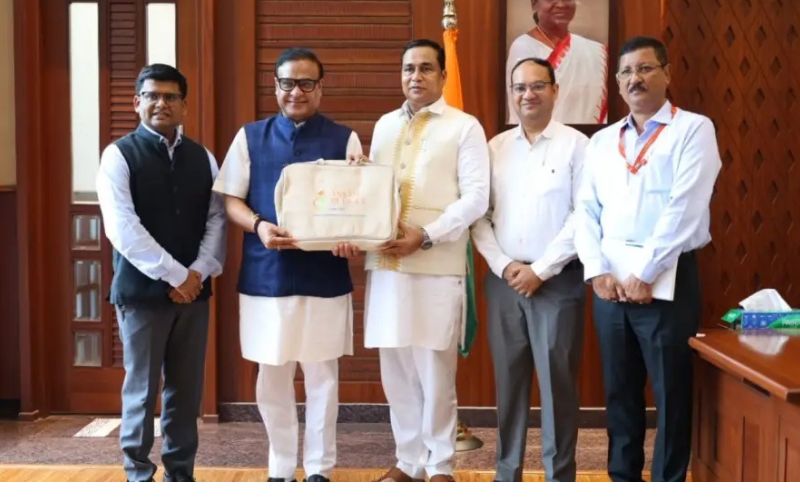
Big Announcements, Bigger Questions: Does the Assam Budget 2026–27 Deliver on Growth?
The Assam Budget 2026–27, presented by Finance Minister Jayanta Malla Baruah, is undoubtedly ambitious. With promises of massive investments in energy infrastructure, renewed welfare spending, urban expansion, and governance reforms, the budget seeks to position Assam as one of India's fastest-growing states. Yet, beneath the headline-grabbing announcements lies a more complex question: Will these promises translate into tangible outcomes, or are they merely aspirations awaiting execution?
The centrepiece of the budget is the announcement of an investment pipeline exceeding ₹77,000 crore in hydropower, solar energy, battery storage, and transmission infrastructure. If realised, this could transform Assam into the energy hub of Northeast India, attract industries, and generate thousands of jobs. Likewise, the proposed satellite city near Guwahati Airport reflects a long-term vision for planned urbanisation and economic expansion.
However, these announcements come with an important caveat. Much of the projected investment depends on private participation, timely clearances, land acquisition, and sustained policy support. India has witnessed many large infrastructure announcements that faltered due to delays in implementation. Without a clear roadmap, defined timelines, and transparent monitoring mechanisms, even the most ambitious proposals risk remaining on paper.
The budget also restores over ₹6,000 crore for flagship welfare schemes after their temporary suspension during the election period. This provides relief to beneficiaries and reinforces the government's commitment to social protection. Yet welfare, while necessary, cannot substitute for sustainable economic growth. Long-term prosperity depends on expanding private investment, strengthening manufacturing, supporting MSMEs, and creating quality employment opportunities - areas that receive comparatively less attention in the budget.
One of the most debated aspects of the budget is its inclusion of proposals to dismiss government employees found practising polygamy and deny welfare benefits to individuals practising polygamy. The government has justified these measures as steps towards gender justice and responsible governance. Supporters view them as progressive administrative reforms. Critics, however, argue that such socially and legally significant issues deserve independent legislative debate rather than being embedded within a financial statement. Regardless of one's position, these proposals have overshadowed several important economic announcements.
Another concern is the relatively limited emphasis on Assam's recurring climate challenges. The state continues to face devastating floods, river erosion, and landslides that affect livelihoods, agriculture, and infrastructure every year. While development projects are essential, greater investments in flood control, climate resilience, river management, and disaster preparedness would have strengthened the budget's long-term developmental vision.
The government's emphasis on improving revenue collection and plugging leakages is a positive step towards fiscal prudence. Strengthening tax administration without increasing the burden on taxpayers reflects sound financial management. However, sustaining ambitious welfare commitments alongside large infrastructure investments will require consistent revenue growth and disciplined expenditure management.
Ultimately, the Assam Budget 2026–27 presents a vision of a modern, investment-driven state with improved infrastructure and continued social welfare. The intent is clear, and several initiatives deserve appreciation. But budgets are judged not by the size of their announcements, but by the quality of their implementation.
For Assam, the challenge is no longer announcing transformative projects; it is ensuring that they are completed on time, generate employment, improve public services, and reach every section of society. Until then, the budget remains a statement of intent rather than a guarantee of transformation.
The true measure of this budget will not be found in its allocations or headlines, but in whether its promises translate into lasting improvements in the lives of the people of Assam.
Disclaimer: The opinions expressed in this article are those of the author's. They do not purport to reflect the opinions or views of The Critical Script or its editor.
Politics Related Posts









Newsletter!!!
Subscribe to our weekly Newsletter and stay tuned.
Related Comments