


 INDIA ASIAN GAMES MEDAL MONITOR
·
India: 🥇 0
| 🥈 0
| 🥉 0
| Total: 0
INDIA ASIAN GAMES MEDAL MONITOR
·
India: 🥇 0
| 🥈 0
| 🥉 0
| Total: 0
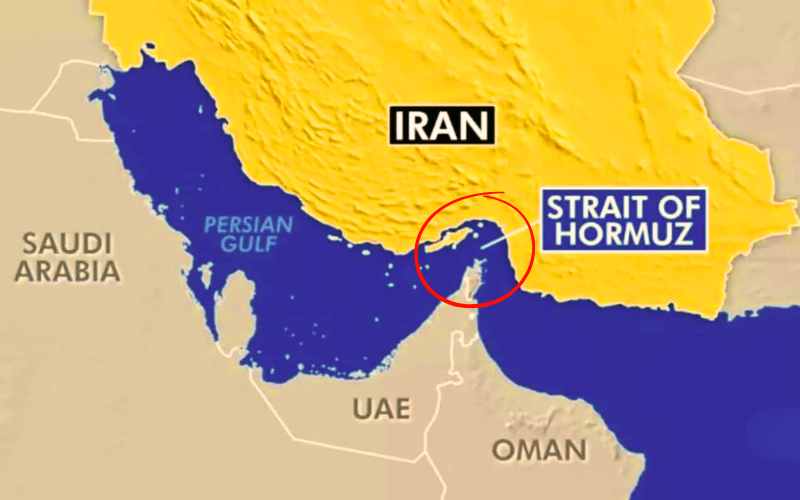
From Tehran to Delhi: Why Hormuz Is Everyone’s Problem?
If geopolitics had a heartbeat monitor, it would spike at the Strait of Hormuz.
When a commander of the Islamic Revolutionary Guard Corps declared that the Strait of Hormuz was “closed” and warned that vessels attempting to pass would be set “ablaze,” it was more than rhetoric. It was a calculated signal aimed directly at global markets.
The impact has been immediate. At least five tankers have been damaged, two personnel killed, and roughly 150 ships left stranded near the waterway that separates Iran and Oman. Shipping traffic has reportedly fallen by nearly 80 percent. Oil prices climbed above 79 dollars per barrel after earlier declines, and insurance premiums had already surged to six-year highs even before tensions escalated further.
Yet this does not look like a sustainable long-term closure. Limited traffic continues, particularly vessels linked to Iran and China. Some ships may even be transiting quietly by switching off tracking systems. A total prolonged shutdown would constrict Iran’s own economic lifeline and risk pulling Gulf states deeper into the conflict. That would dramatically widen the war, something Tehran may not strategically prefer.
Barely 33 km wide at its narrowest point, this slim maritime corridor between Iran and Oman carries roughly one-fifth of the world’s traded oil and a significant share of global LNG exports. Every tanker that squeezes through it is not just transporting crude, it’s carrying the pulse of the global economy.
Why does it matter so much right now?
Because chokepoints are leverage. And leverage, in a crisis, becomes power.
With escalating tensions involving Iran, the mere hint of disruption; mines, missile threats, naval skirmishes, or even aggressive inspections, can send oil markets into panic. Prices spike not only on actual supply cuts but on fear. Insurance premiums for tankers surge. Shipping routes reroute. Global inflation gets another unwelcome nudge.
The Strait of Hormuz is less about geography and more about psychology. Markets don’t wait for closure; they react to risk. That’s why even limited hostilities in the Gulf ripple through Wall Street, Mumbai, and Beijing within hours.
Energy-importing nations watch Hormuz the way cardiologists watch arteries, because a blockage, even partial, can trigger systemic shock.
And here’s where India comes in.
India imports a significant portion of its crude oil from Gulf nations whose exports pass through the Strait of Hormuz. Any prolonged disruption would mean higher fuel prices, pressure on the rupee, inflationary stress, and a tighter fiscal balancing act in New Delhi.
In short, what happens in Hormuz doesn’t stay in Hormuz; it shows up at Indian fuel pumps.
The Strait of Hormuz may look like a thin blue line on the map. But in today’s crisis climate, it’s the most strategically priced waterway on Earth. Because sometimes, the narrowest passages carry the heaviest consequences.
Disclaimer: The opinions expressed in this article are those of the author's. They do not purport to reflect the opinions or views of The Critical Script or its editor.
Politics Related Posts









Newsletter!!!
Subscribe to our weekly Newsletter and stay tuned.
Related Comments